How would society and politics look like if superheroes and superpowers really existed?
Nowadays, with the amount of content we have based on the superhero premise, an answer should be expected to already be available. That’s not the case.
Watchmen makes the question, not the superheroes, its premise.
So, from this fresh point-of-view, do the 9 episodes of this minis-series succeed in finding the answer?
Sporadically yes, but not as a cohesive whole.
How it would look like? Weird, for starters.
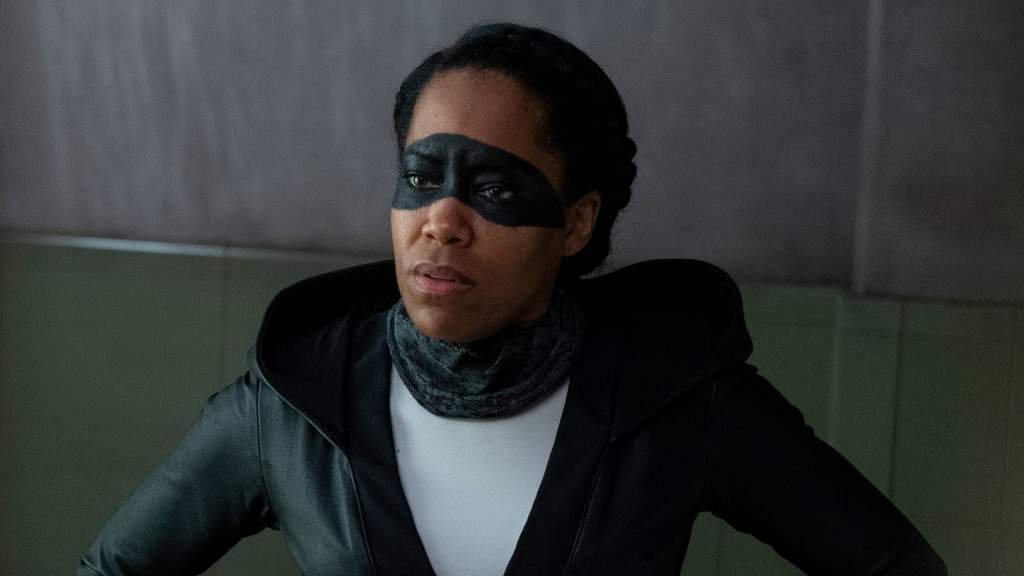
The first way these showrunners attempt to answer that foundational question is through the costumes.
Intentionally, the superhero garbs and wardrobes feel out-of-place and pastiche. How do I know that’s intentional? Because the rest of the production design and visual effects were so meticulous at conveying a sense of place and time.
Everything feels real. It’s just the heroes that are different. This choice is precisely the opposite of what other movies or series try to paint over. “Your friendly neighborhood Spider-Man”.
This sense of purpose is also present in the sound and music of the show. The acclaimed duo of Atticus Ross and Trent Reznor come up again with a very expressive soundtrack, where notes and fabric reverberate with a lot of diversity, but filled with precise messaging.
The soundscape becomes part of the story and it’s probably the most coherent of its components, despite the merging of genres and signatures.
Another strong aspect of the mini-series is the acting. Regina King is a hurricane incarnate. The physicality juxtaposed with her craft in silent close-ups is mesmerizing. She goes the full gamut, always with behavioral logic and with no arc forced upon her character. A nun with a gun on the outside, but also a human that has to improvise on the inside.
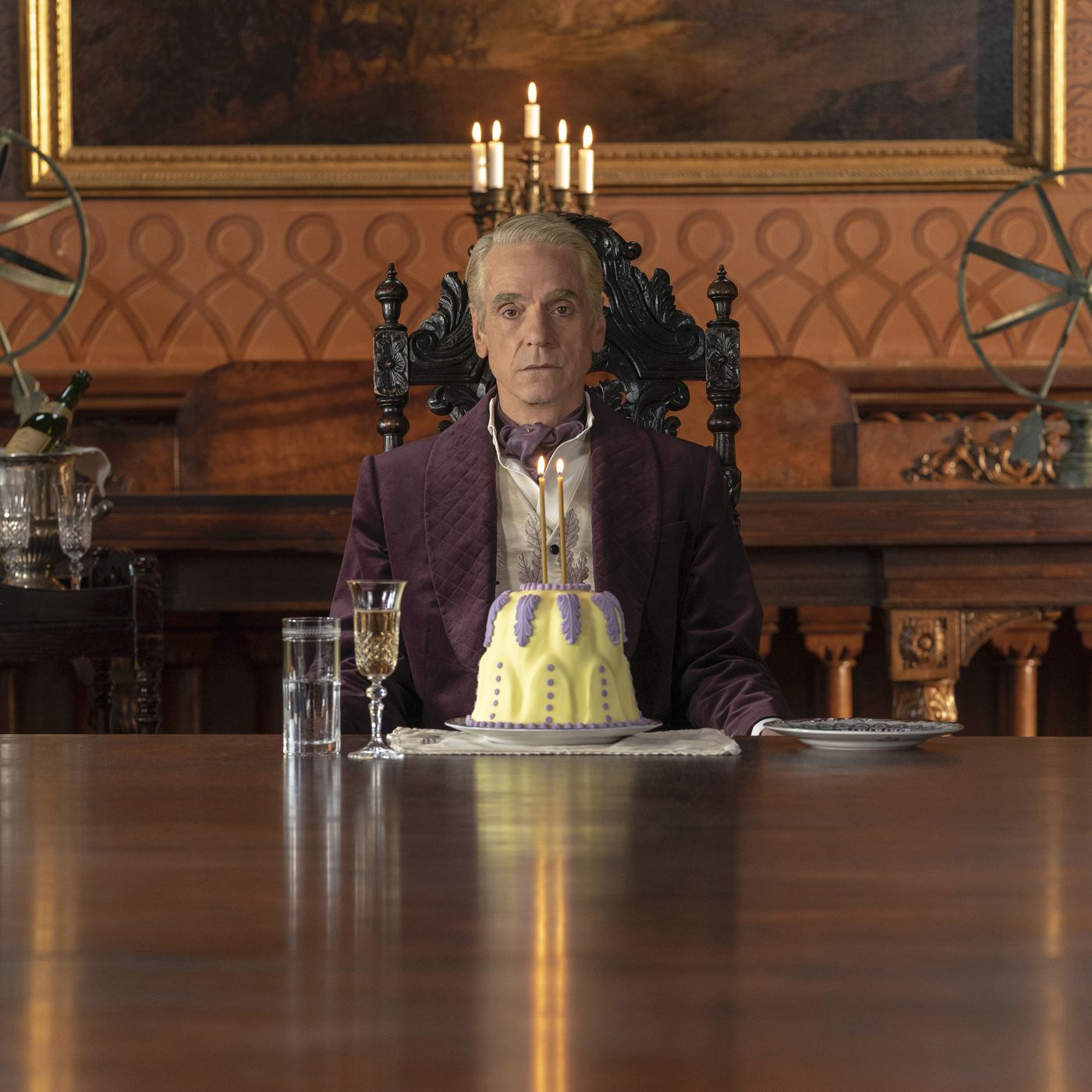
Conveying this clash with mastery, we also have Jeremy Irons. A man with a plan. But, suddenly, good intentions are no longer enough to justify the means. The way Irons creates a third reality out of those two should be an acting class.
There are other names that deserve a shutout. Jean Smart, a woman no longer phased or impressed, who really brings the show down to earth. Tim Blake Nelson is good at demonstrating that this superhero lifestyle doesn’t come with glamour. And Jovan Adepo and Danielle Deadwyler combine to carry the weight of courage, principles and heroism.
Where the series falls flat is at the convergence of all these ideas and disciplines into a continuous narrative wave.
Watchmen is either too short or too long, depending on how you feel about two of its most notorious underpinnings: personal and global.
The series starts with a clear aggrandizing motor. The conflict and its motives are deeply rooted in the past and are vastly spread across America, even if the plot is local.
And it becomes more personal as the series progresses. Suddenly, it is also clear that this is a self-contained story that won’t have or need a Season 2.
So, if you like the first half of the 9 episodes, you’ll find yourself juggling interesting problematics with no approach to their landing. Don’t get me wrong, I don’t need machinations of the mind to be instrumentalized. Questioning the current state of reality is more than enough for me. However, the preposition should be clear. And, in this sense, Watchmen needs more episodes to lift the veil. The veil helps making the problematics closer to the complexity of reality, but it comes a point when you should put your money where your mouth is.
On the other hand, if you prefer the intimacy of the second half of the series, this story would be better served with a movie or 4-5 episodes format.
I preferred the narrative styling of the latter half. Those are the moments where the writing, acting and overall pace are at their best. It becomes palpable that such storytelling environment is the ideal for the above named actors, as well as the showrunners themselves.
All in all, this is a high quality series that suffers from a slight identity crisis. I don’t know why that is, but having to answer to the traditional 10-episode model certainly didn’t help when it came to answering the story’s own inquiries.

 Opinion Seed