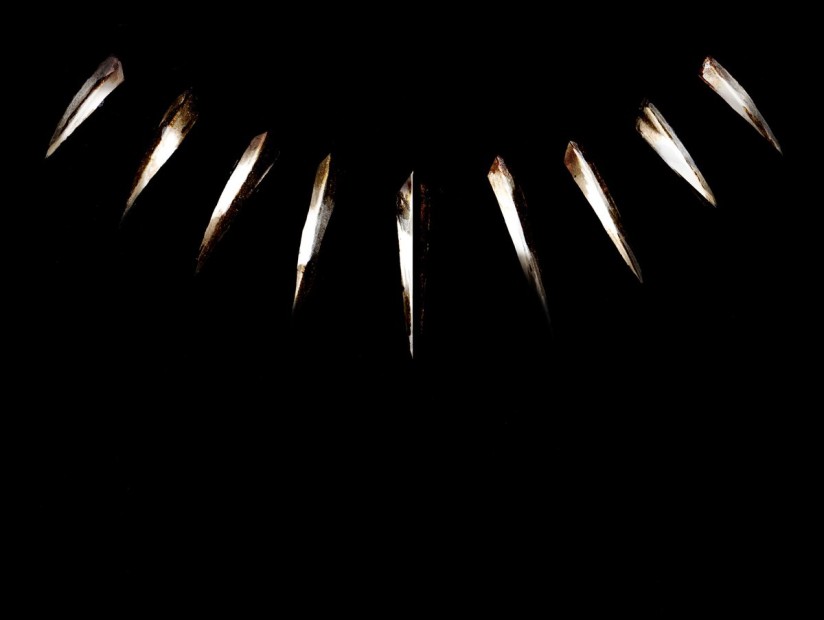
Many nature documentarists tend to declaim that what makes big carnivores so compelling is the way those animals exude an inborn majesty even when doing simple actions. I would argue that such innate presence has its roots in a much more fascinating trait of these beings: hunters reveal their true potential when cornered.
The top of the food-chain can be a trap since you are completely dependent on the complex dynamics below you. Hunters, like Marvel Studios, despite getting the perks of a leader, have to keep their head in the game because things are always in-motion below.
In this metaphor, Franchise Fatigue is the first environmental sign that the base of the pyramid is changing.
These are the moments that define why we are so enthralled by big carnivores, because the ones that survive did so through intelligent energy-spending when cornered. And, sometimes, the right decision was not to hold your ground.
Black Panther is the personification of why MARVEL (Disney) is the biggest company in entertainment of our times. They take risks.
One could argue that you become less risk-averse when you have such a massive war-chest banking you up. Well, more often than not, these companies behave more like fat cats, ruminating cash cows, self-navigating cruisers, etc.
Betting on Ryan Coogler (writer/director) and Rachel Morrison (director of photography) to create a message and an aesthetic for another Avengers spin-off may sound like the obvious choices after all the accolades and the Billion at global box-office. But let us not forget that those two names, just recently, were struggling to get projects financed in the indie-scene.
It resonated because of the sensibilities of those two, and that’s why some credit should also be given to the big, evil corporation. If we are fast at raising our torches at these companies for being insensible; this time, they treated a franchise of theirs with tact and did right by us, the audience (in particular, black communities across the world).
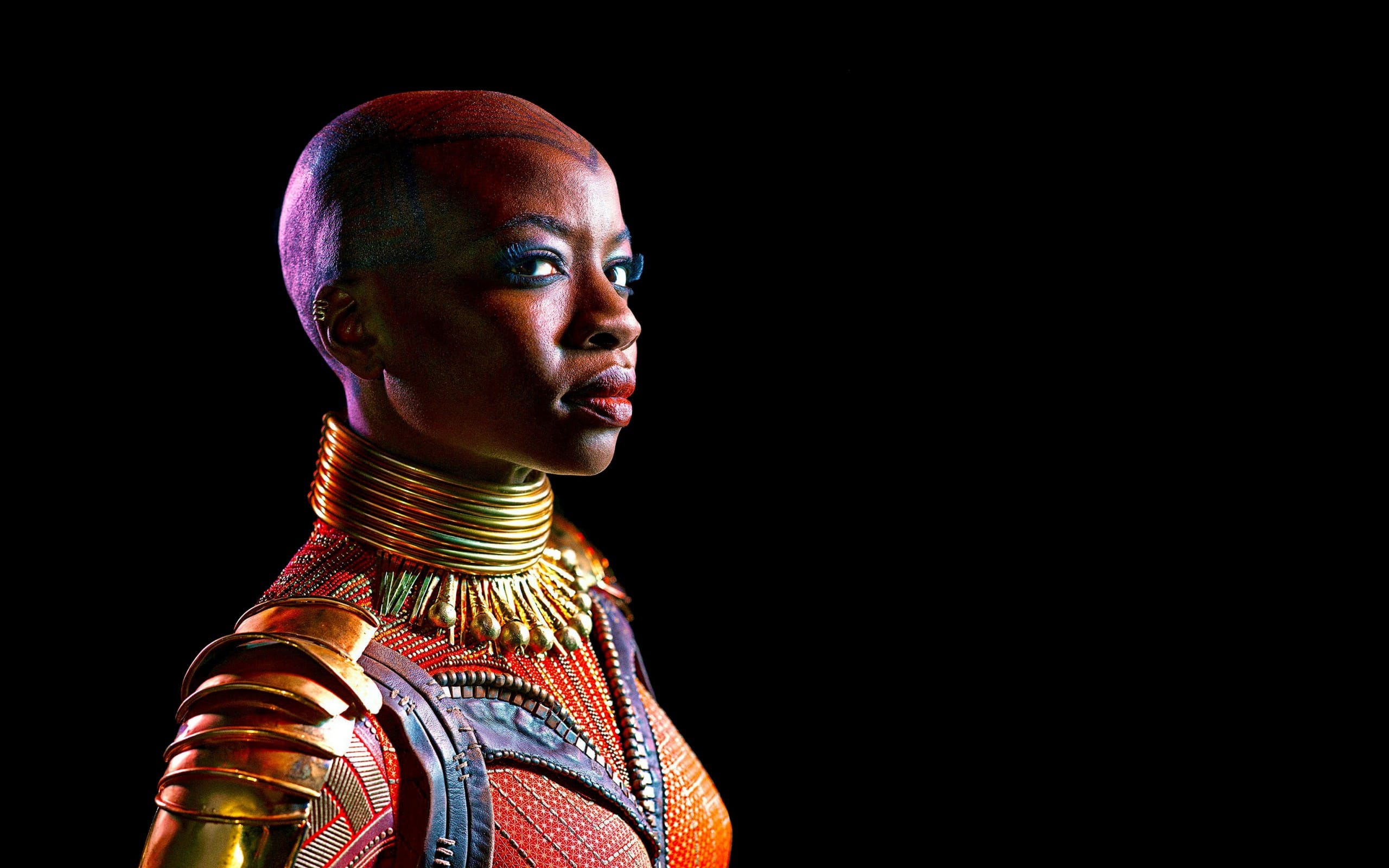
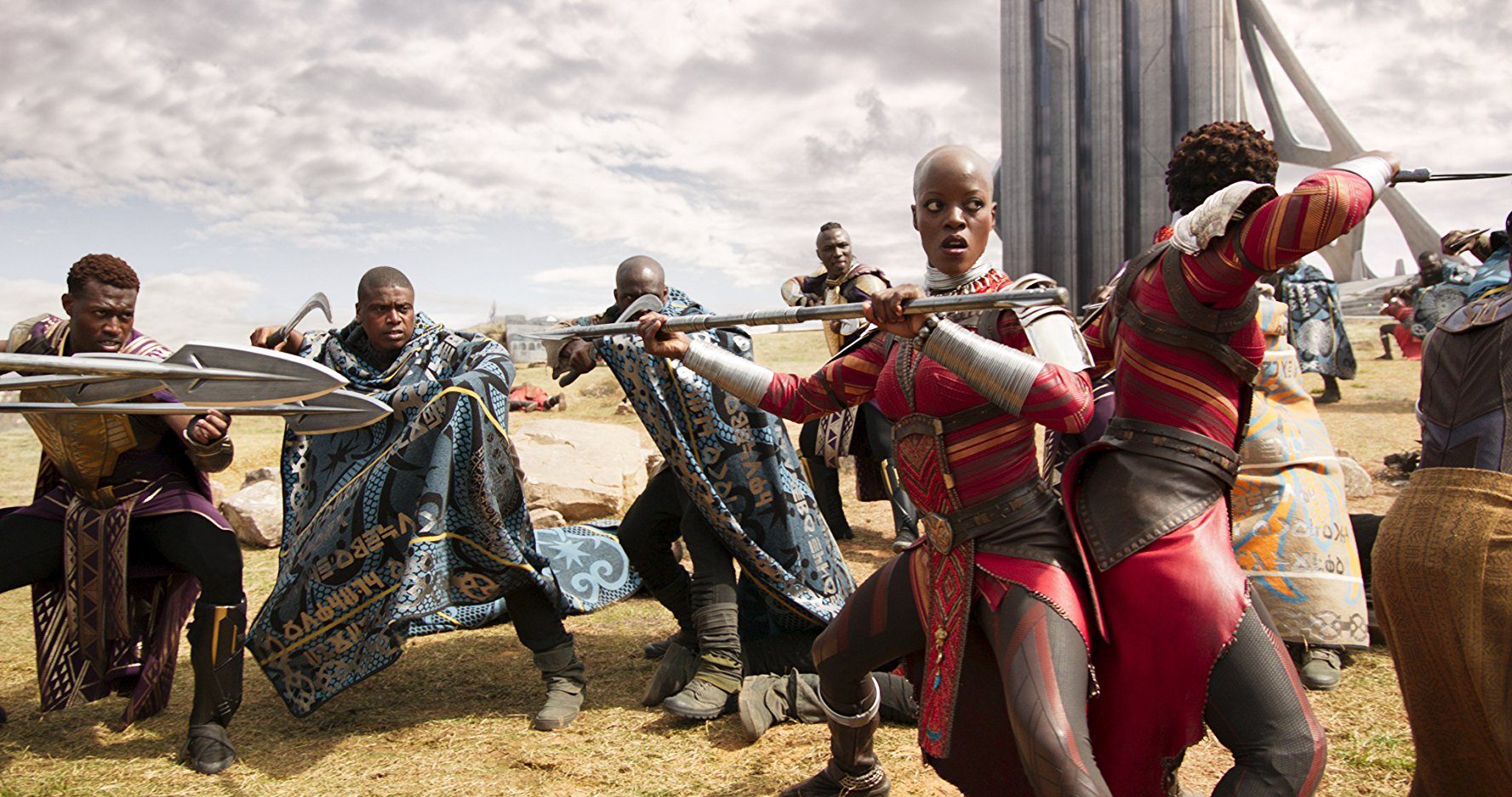
The first evidences of how properly in-tone this movie is come from the design choices for costumes and makeup. It must have been tough to accommodate traditional African garments to a futuristic setting, without being distracting or imbalanced. They never are. Culture representation instead of misappropriation.
All costumes have lore sowed into them, and the makeup shows subtle signs of past history and present identity. These movie spin-offs, in principle, exist to give an additional platform for character development through their backstories and flushing-out of the worlds they come from. Here, in Black Panther, said development was smartly conveyed through the actions of the protagonist in those time and space contexts. There was no need for exposition describing the different cultural and human elements of T’Challa’s world because, even without having acting into account, everyone was served distinct characterizations that told a story on their own. That’s art.
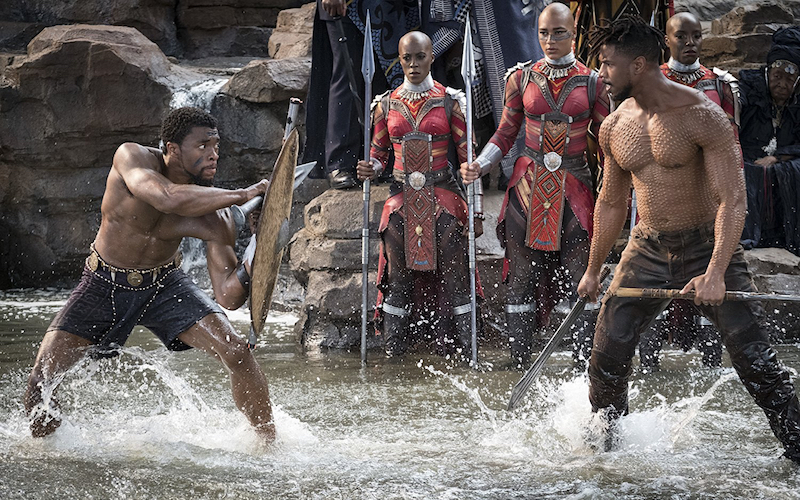
Another aspect that helps lending credence to this melding of tradition and tech is the choreography of the action. The stand-out of this blockbuster is the sparse use of guns. There is an almost unspoken rule, grounding this plot and universe, where physicality is a weapon not because of fists but due to the journey that strengthened the body. Super-human athleticism of many characters is not ludicrous since it is clear there is a devotion to self-improvement in this culture. Not so different from Wuxia themes, in Chinese fiction.
Also, this film shares the same butter-smooth rendering of action-scenes as martial-arts movies. It’s a great one of those, as a matter of fact. From large-scale bouts to more intimate confrontations, it always has a visual fluidity that, knowing Coogler’s hobbies, takes some inspiration from the best power-fantasies in video games.
The final effect is a coherent dance, transpiring coolness from every angle.
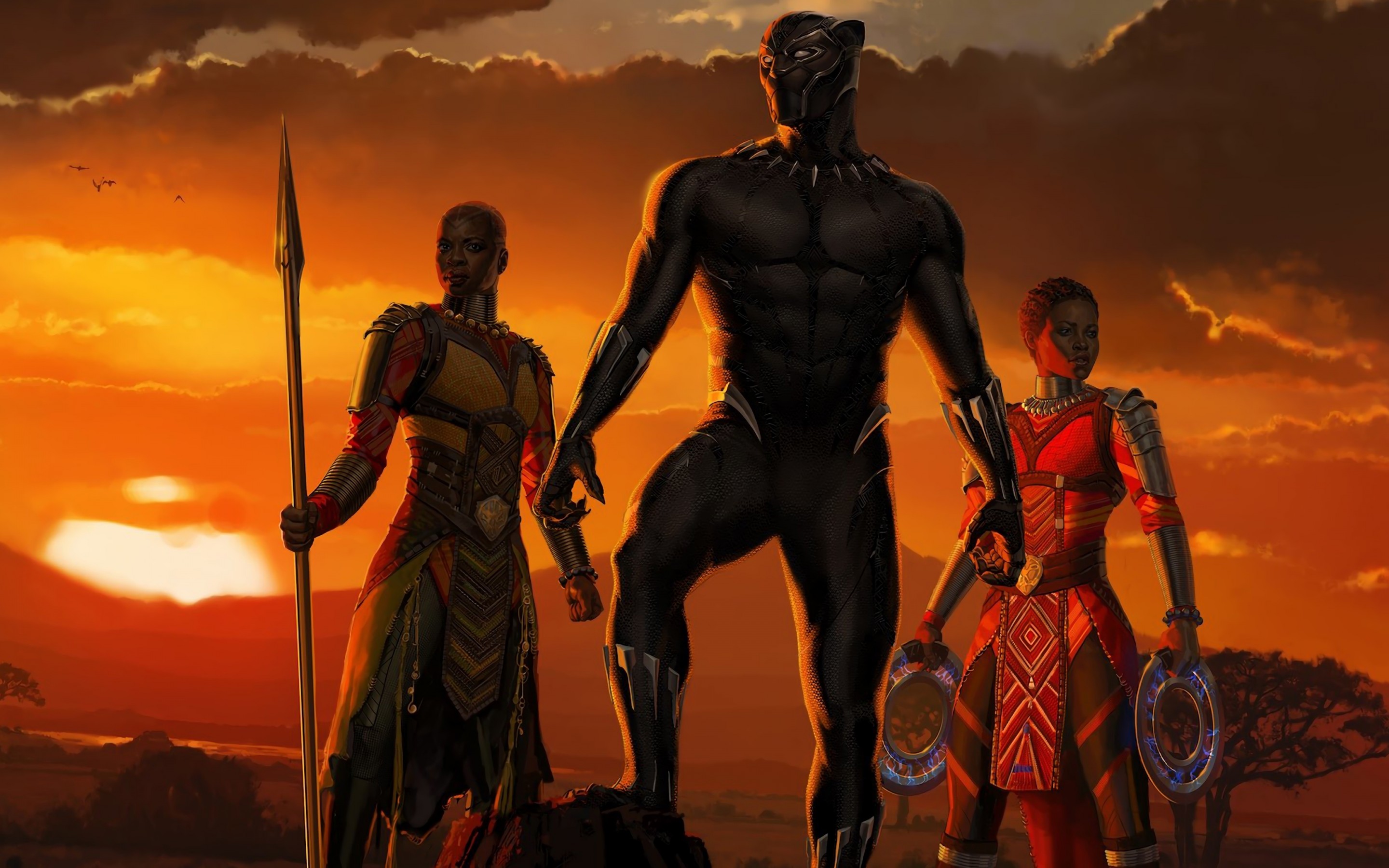
Overall, the production design starts the conversation at the same high-level Marvel has accustomed us to, but spices it up here and here with iconic sets and styles that are exotic not just for the sake of it.
It is clear that the conceptualizations of Wakanda had a vision, originating from the same passion and care that the dearest dreams are made of. Attention to detail like commerce, transportation and children’s education. All building blocks of a structure that raises the stakes of this universe and, by giving a very distinctive texture to this architecture, is the culture-pride reference in this message.


Visual art does indeed speak for itself. Even so, the audio department of this movie lent an irreplaceable hand when it came to give identity to a myriad of scenes. A sequence became memorable much due to the different signatures used for different moments. The sound editing was done from a starting point of trust. Trusting that simple motifs, if carefully mixed, have more impact than templates made to transmit juxtapositioning.
These sound teams really did exceptional jobs. A constant presence that never felt intrusive, but additive to the nuance. And the choices for each moment always communicated much more descriptors than instructions.
I must confess I listened to Kendrick Lamar’s original soundtrack for this film before the theatrical release. The hype was too big.
The album is really good, as expected. What I did not expect was the minimalistic use of those songs throughout the movie. It ended up working in its favor, because it would be difficult to fit those tracks to the frame-rhythm of this picture.
Cinema and action framing, in particular, has changed a lot since R. Kelly conducted the Space Jam OST.
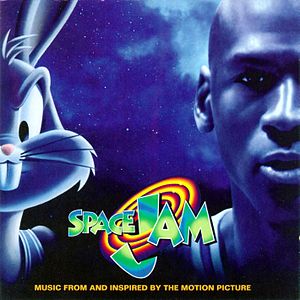
Recurring to other NBA vernacular, what an All-Star of a cast!
Awarded presences like Lupita Nyong’o, Michael B. Jordan, Daniel Kaluuya, Angela Bassett and Forest Whitaker instantly elevate this conflict to a level worthy of a tale. Their contributions never waver, giving the narrative an aura of mythology.
At the same time, lesser-known names like Chadwick Boseman, Danai Gurira and Letitia Wright are fundamental to portray a type of charisma that is relatable.
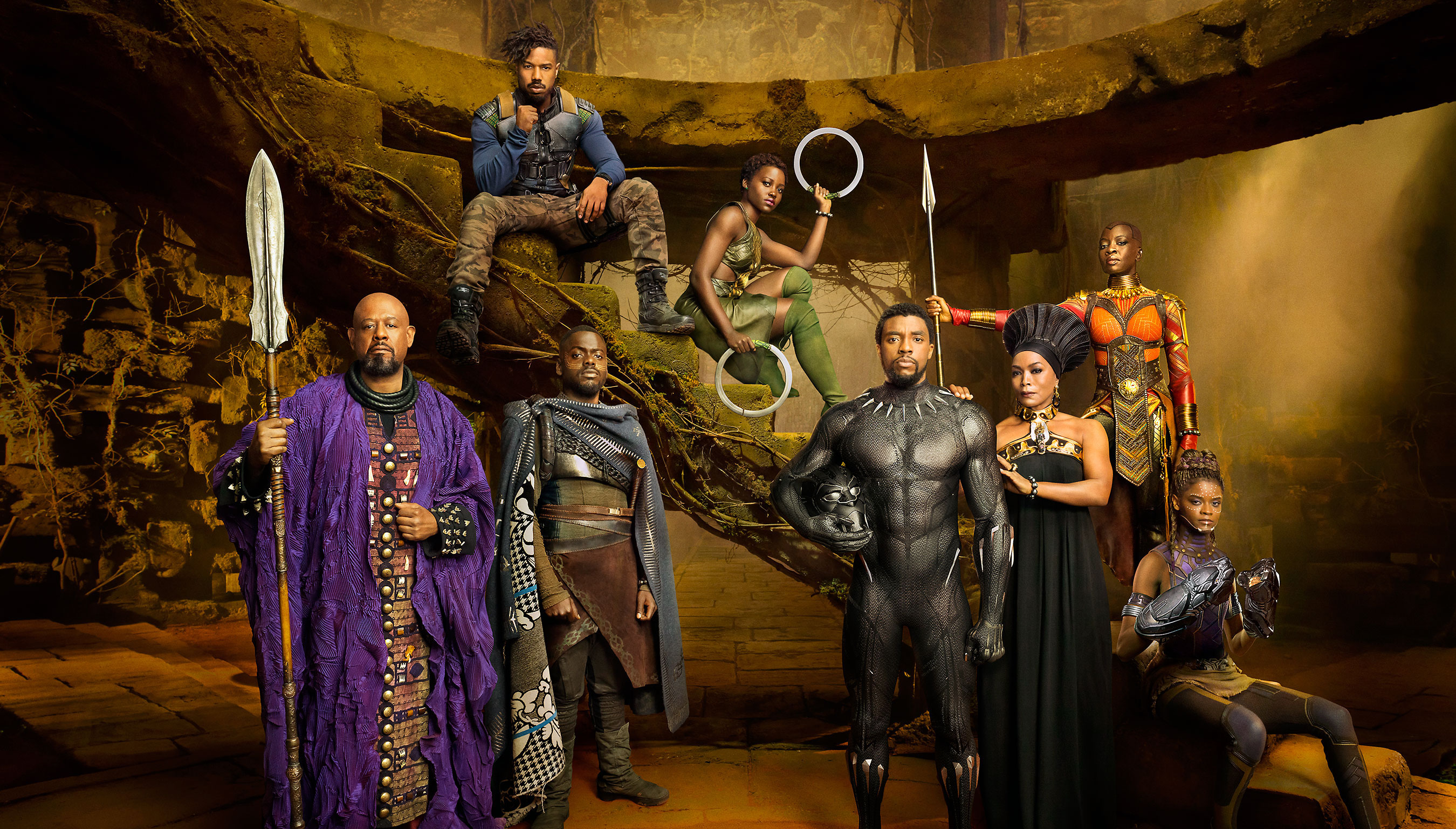
These two types of performances are essential experiences throughout this journey. On one hand, you have quasi-regal acting that builds-up the utopia. On the other hand, you have down-to-earth characters that may inspire the target audience to fight for their own kingdom.
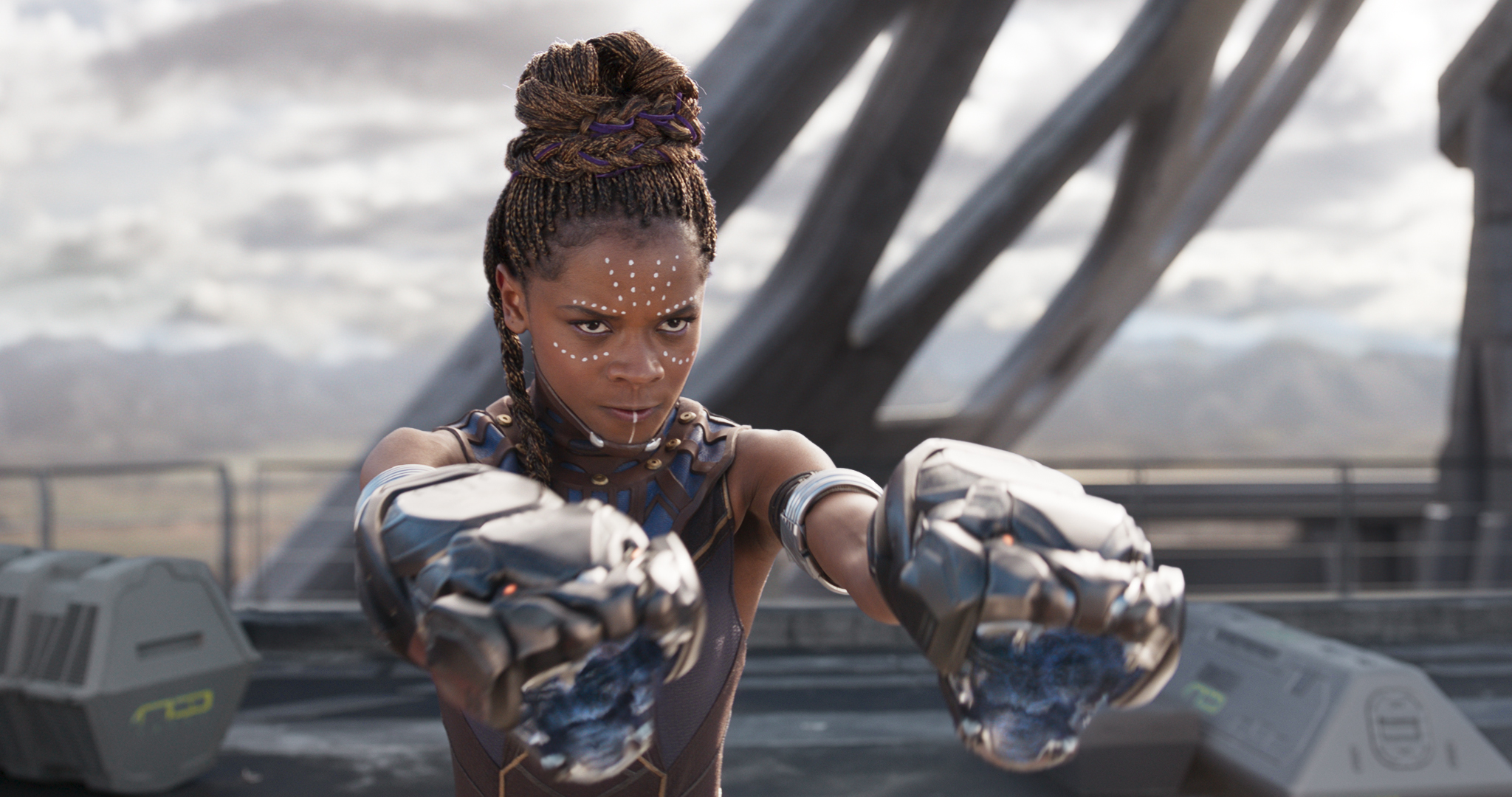
Letitia Wright deserves her own paragraph. She portrays Shuri, T’Challa’s sister. Not only is there a genuine familiarly love between those two, but also she kicks the ass out of many Qs in Bond movies.
One category that must also be lauded about this film is its screenplay.
More often than not, movies with these budgets try to do many things at the same time, spectacle, laughter, light-drama and a magnanimous need of transmitting a lesson. However, what ends up being brought forward as a commercial art product is something playing the right notes to appeal to the most expansive possible range of tastes.
This approach tends to hurt narrative. There is almost an inverse relation between how generalist a work is trying to be and the quantity of layers in its subject.
So, when I heard that Black Panther was “about” the causes and consequences of financial inequality, in respect to black communities, I squinted, to say the least. Well, I shit you not, they put their money where their mouth was.
These filmmakers were not afraid of using the reach of this genre as a vehicle for a message that is both layered and clean of any presumptuousness. To do that, they took a risk that could have lost them two types of audiences: black people and white people.
The secret sauce of this screenplay resides in the villain. If he was poorly written, you would lose white audiences because the crux of the movie resides on his idea of using Wakanda’s military superiority to end the cycle of white dominance over black cultures; while also losing black audiences since the inspiration for black-exceptionalism comes from a figure of wrong and not of right.
Clearly, with 1 Billion garnered worldwide, this film resonated. In my opinion, audiences went through the same journey the writers experienced when they were giving life to this villain. A character who, certainly, started as an archetype of evil evolved into a very captivating individual. His lines are always on-point, the meaning behind his words always seem to come from a place of righteousness and justice, and the rationale supporting his actions have roots in real-life difficulties and on a will to correct the wrongs that generated those struggles.
He is not acting correctly, but he is written in a way that makes you question your expectations and, more interestingly, makes T’Challa question his. From that divide emerges the fire that solidifies all these characters’ arcs: no matter how equal we are, if we don’t change towards mutual understanding, we will always be enemies.
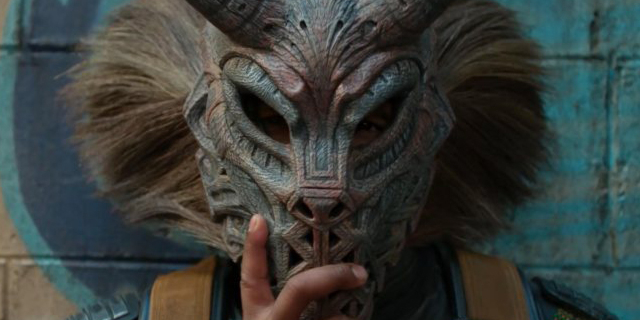
In the end, this is a very effective plot because every piece of the story is properly placed within the particular pace of a super-hero movie. Neither the action, nor the dialogue seemed to be working on their own to not be held accountable for any defect on the final product. No, the dialogue served the action, and vice-versa.
The editing was careful to assign slots for regional conflicts, globetrotting, mythos, past revelations, present fighting, politics and change. With none of the portions ever feeling too rushed or too long, mainly because there was a thread of experimenting and learning unifying all the sections. T’Challa is a strong protagonist, not because of his athletic ability or the power of Wakanda supporting him; he is interesting because he learns through openness and not the typical hero’s epiphany. This solid foundation goes a long way towards putting you in his shoes, which in itself makes the pace feel more familiar.
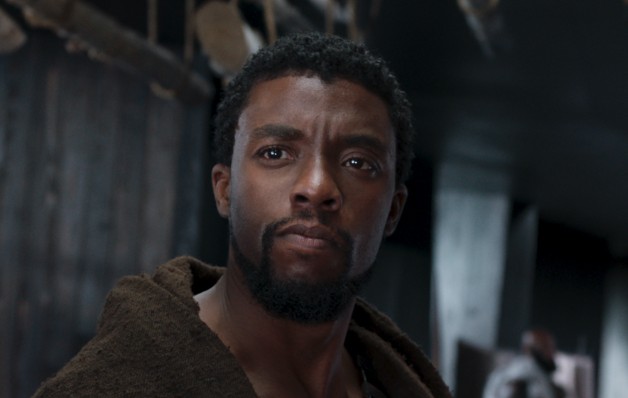
Besides these plot devices guiding the movie to a smooth landing, one final remark should be made about the visual prowess of this film. In motion, it’s one of the best super-hero movies ever, and the faster it got, the better. It really is impressive that an indie DP like Rachel Morrison was able to jump to this genre so flawlessly.
More, she even managed to give her own touch by alleviating some of the post-Guardians pressure to always go over-the-top when it comes to color and flare. The exotic and futuristic of Wakanda made it the ideal candidate for the formula, but Morrison composed her shots in ways that the vibrancy of the sets flourished as a natural continuum and not pauses of exclamation.
It’s just a shame that these movies have a hard time prescinding from green-screens. They weren’t much more noticeable than in other films of the genre. But it is more evident when the cinematography is this good.
All in all, the word that better describes this film is Cohesion.
It helps that Ryan Coogler wrote it and directed it, and that he had previously collaborated with Rachel Morrison in the aesthetic of Fruitvale Station (2013). Even so, Black Panther’s cohesion is the result of a very personal artistic vision.
The depth of its characters comes from the depths of Coogler’s experiences, the scope of their dialogue and actions are the result of this author’s message to the world. Like in Fruitvale the intimacy feels authentic because Ryan Coogler is dreaming of real change.
“Can you believe that? A kid from Oakland walking around, believing in fairytales.”
That quote is not vapid, because you know Coogler was once the kid.


To sum up, Black Panther is a film that succeeds at two seemingly incompatible proposals: spectacle and introspection.
Its visual design and art have cultural-pride without ever distracting from the characters. The action scenes have a powerful motor, without ever getting a life of their own that would seek independence from the narrative. The audio in the audiovisual is minimalistic but it’s always present with meaningful motifs.
Casting and acting were smartly directed to bring about two equally important sets of characters. The stars to highlight how almighty Wakanda is, and lesser-known faces with charisma to show how reachable that world is.
The screenplay is the strongest contribution of this film. It goes two layers deep. In the first, financial inequality is used to explain the hopelessness and anger that millions of people have to endure on a daily basis. The second layer addresses how, even after economic access is granted, the malady has already traveled too far and the cure only comes from putting ourselves in each other’s point of views. I bet that the writers were surprised by how non-formulaic the antagonist ended up coming out of that script.
And while the villain is much more than a statement in the story, the protagonist is going through a much more nuanced journey than the typical hero’s one. T’Challa, already starts powerful and cool, like we saw in Captain America: Civil War (2016). The interesting take of Black Panther is how the composure of T’Challa is shaken and transformed into a very relatable portrayal of uncertainty and learning. These are the beats that interline the assemblage of all the parts in this film.
Finally, this could have easily been another optimized product coming out of the Marvel factory. It’s not. The standards are there, but it’s clear the cookie-cutter was tinkered to fit very unique sensibilities. And there is no disconnect between the artistic expression and the genre structural tropes. More, the latter are used to give an extra punch to the personalized message.

 Opinion Seed